
im back
may to january newsletter

hey, hengbin here.
haven’t updated this newsletter in ages so it’s about time i get back to it.
some things i may have forgotten, but the big details still remain.
may — moonshots
we worked on a way to allow 5x cheaper internet infrastructure through lasers
we ended up winning one of the prizes for the challenge,
then presented on a final showcase at the end ~ of june
june — confusion
so at the time i was looking for internships and landed ~5-6 internship of them somehow
but something felt off, i was having that internal tension.
when i went to collision (one of the biggest tech conferences) my buddy Krishiv Thakuria told me to question advice from first principles, it went something like this:
me: “you know how there’s advice that says to not do startups for the money, yet you seem to be doing so“
him: “why not do it for the money“
me: “you might lose motivation?“
him: “why“
me: “there’s better ways to make money???“
him: “then why would the person not just do the thing that makes the most money“
me: “…“
at the time, i just wanted to just get rich and have fun through building products.
but the thing is, talking to users is very uncomfortable. there was that fear that was holding me back.
so i tried to ignore the feeling, and then when i got advice that i should build projects rather than startups in order to not stagnate. i immediately misinterpreted and latched onto the advice since it was convenient to believe. this advice was given in the context of making the most impact on the world by gaining technical skills
so then i asked myself: “if not through building products — how else am i going to satisfy this craving for money?“
internships was the answer
but when i actually started to question why i wanted what i wanted from first principles, things didn’t line up. so i made the decision to abandon my previous efforts to pursue try and go 100% in on what i wanted.
july/august — products + buildspace
what do i build? what problem do i solve to get people to pay me?
i decided to start with problems i had — i settled on the problem of language flashcards taking kinda long to make. a problem i faced when i was learning french in grade 9.
for accountability, i joined buildspace, a 6-week program to build your idea: concluding with an 3-day irl meetup. each week needing it’s own update, if you get past 3 weeks you graduate.
this time i actually tried talking to my users. i went on reddit / discord to mass dm and call people to see if they had this problem.
yes they kind of did. so i just built it, this is what it looks like:
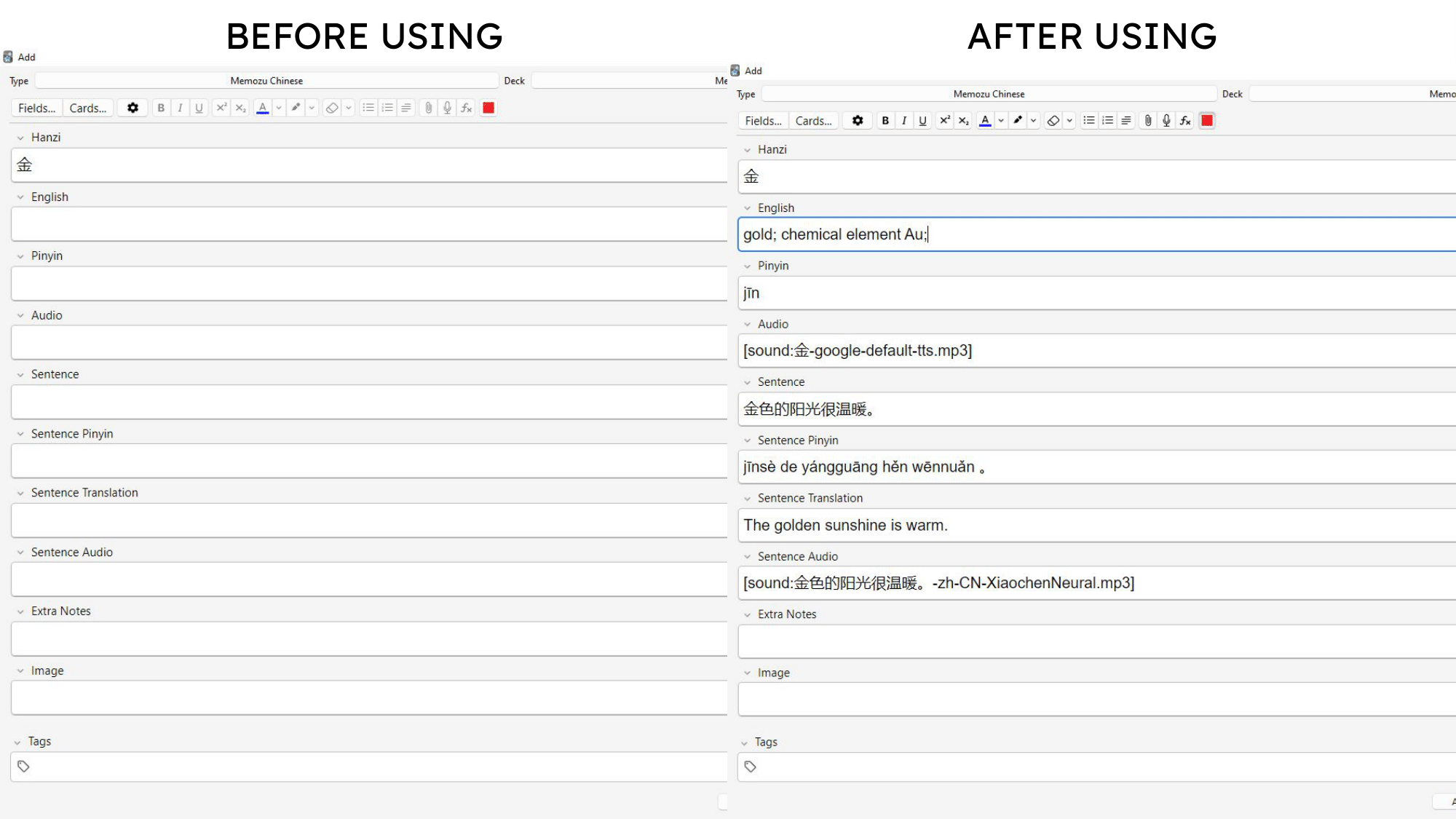
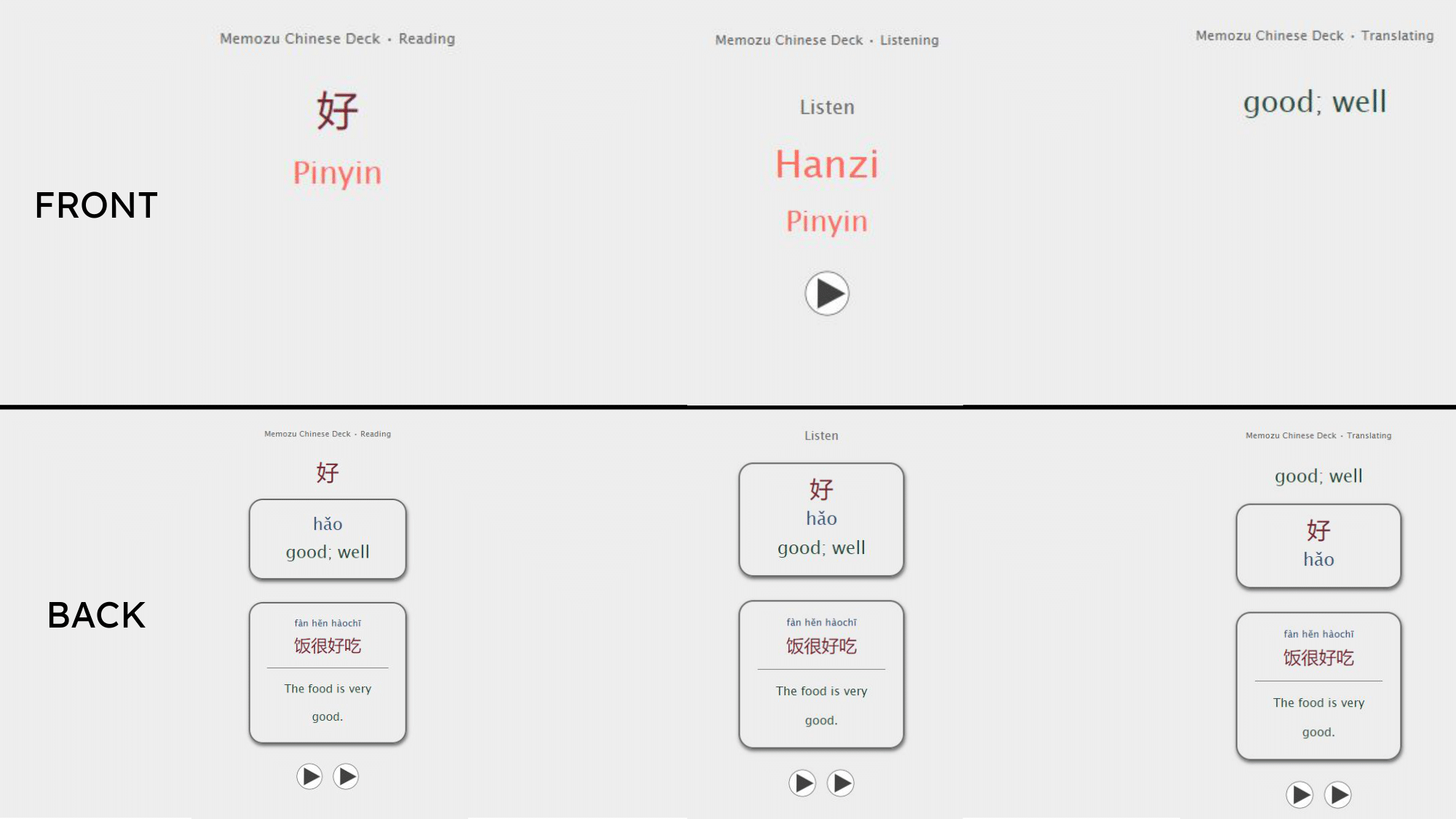
i launched it, got some people using it. it felt so dang excited having someone use what i built.
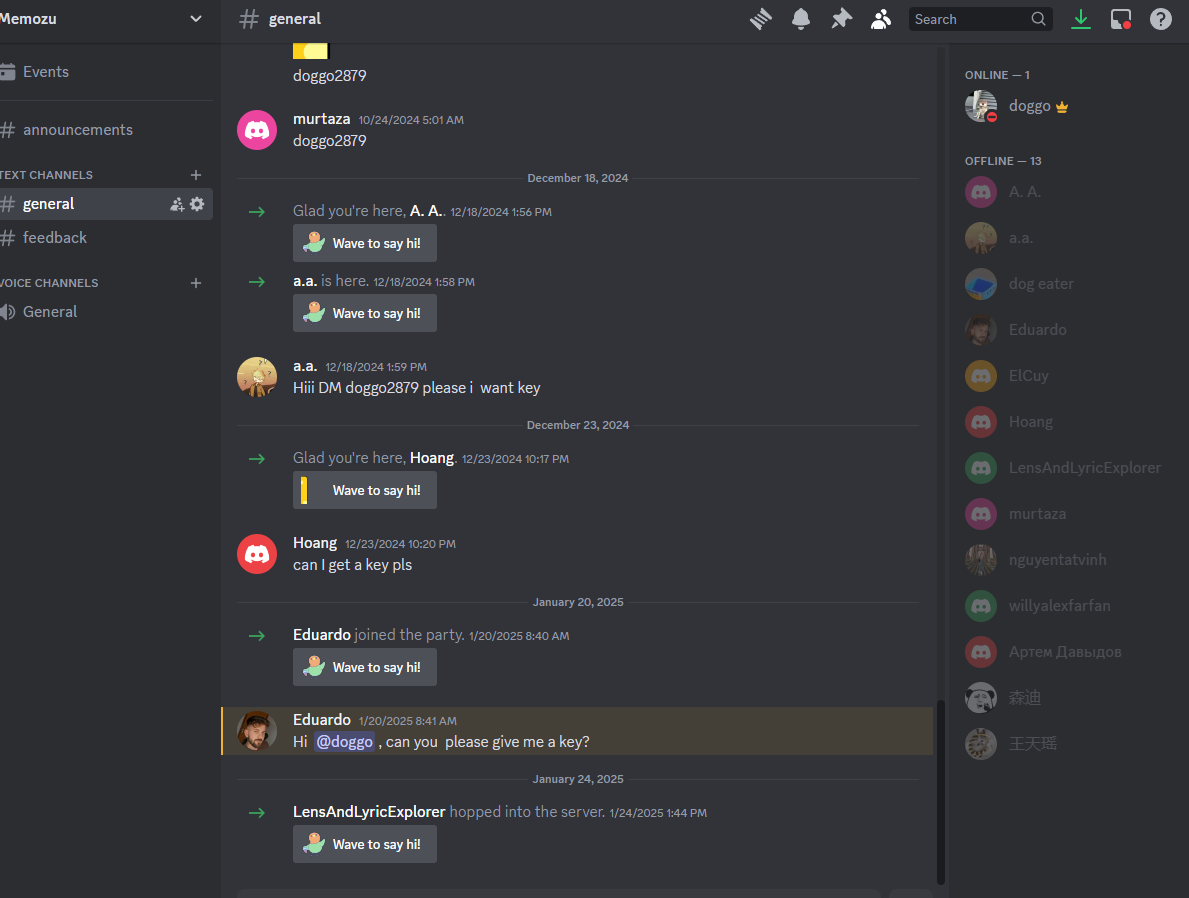
then… it went flat. i concluded that the issue was because a free alternative had already existed. i knew this before-hand but assumed my 10% improvement would get people to pay me. i still have people messaging me to use it to this day, i think im just going to opensource it with free api keys.
next?
i came up with another idea when i was randomly thinking about what to do next.
problem: when someone listens to audio without a transcript (e.g. a podcast) how are they meant to search things up?
solution: transcribe it + give them a popup dictionary.
i launched it on discord servers and tried getting people to pay me for it
(one of the servers i launched in deleted my msg for blatant advertising 😂)
it was pretty difficult as i realized i may have been climbing the wrong mountain
most people i messaged:
were students
meaning not that much money in their pockets
sorta had these problems
but didn’t care that much to the point they’d pay me for it. their hair was not on fire.
if i tried hard enough, i could likely get someone to pay me, but was it worth it? whereas i could be choosing bigger and more lucrative problems to solve?
i kept building this until school started, thats when i decided to choose a bigger mountain to climb. though build this was useful as to this day im still using it to assist me listening to audio books in chinese.
in august, i was at the 3-day irl event for buildspace in san francisco. there were 1000 ppl 🤯 there. here’s a funny video at the start of day 2
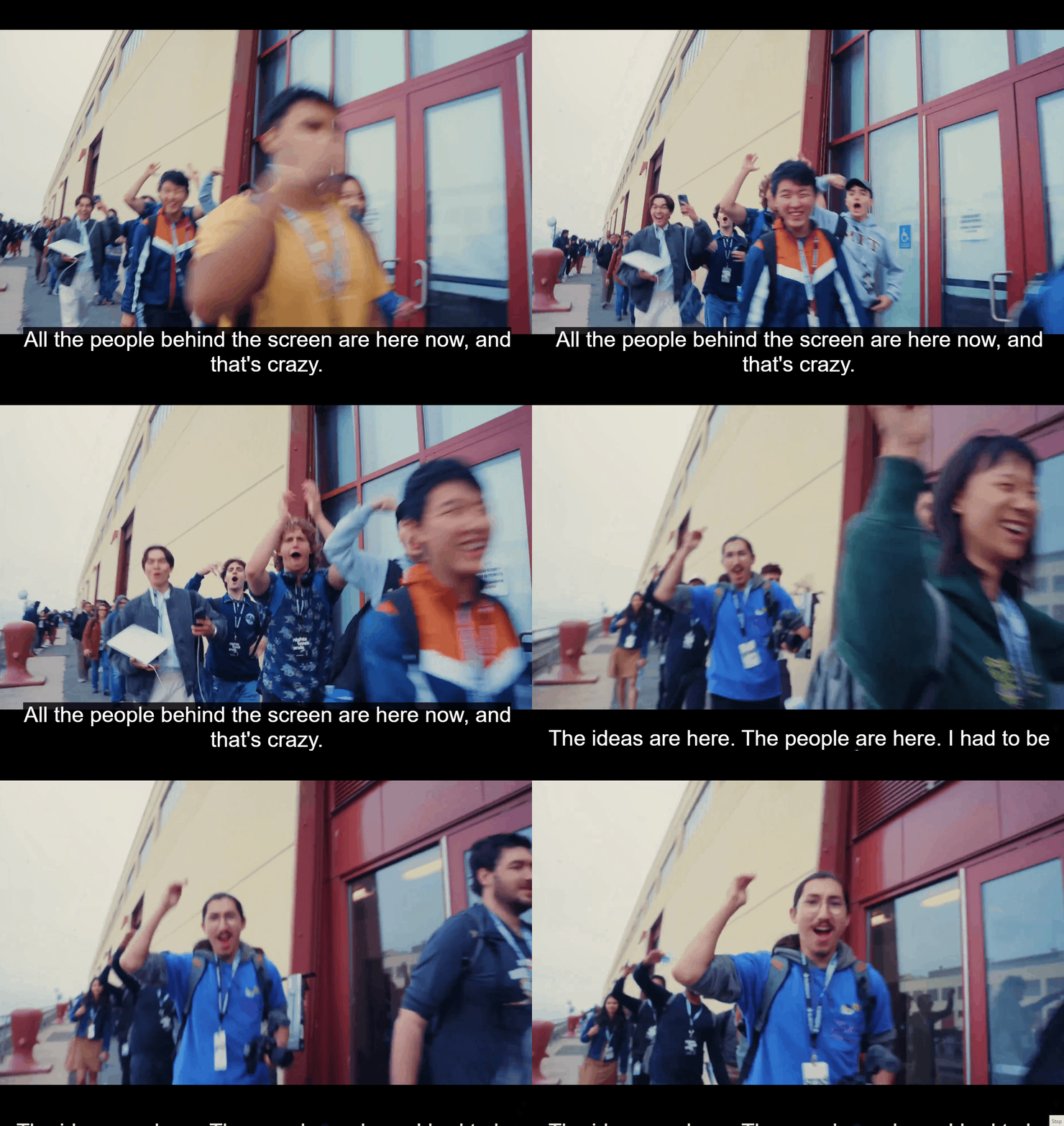
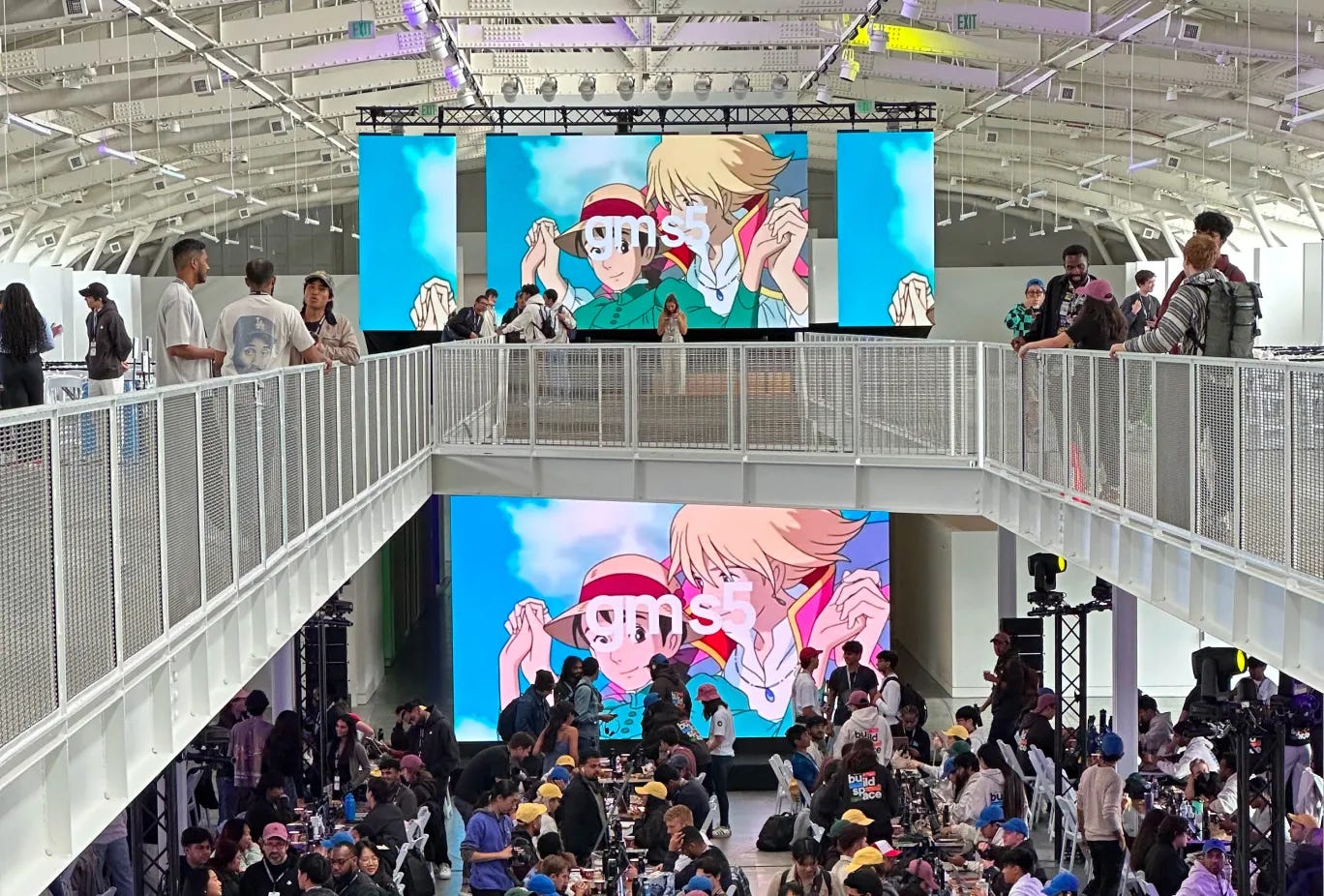
it was so cool meeting such a diverse set of people and trying to get more signups. there were literal artists, musicians, hardware engineers, web3 developers, all kinds of people with the desire to pursue their own ideas.
it was very useful getting an outside perspective on my blockers — made me realize i should actually try to make use of what my users are telling me.
concluding thoughts on the summer:
it was the first time in ages i had a taste of what being distracted felt like. my focus felt like a sine wave, next time i would be insanely clear on what im doing. attach every task with a clear purpose to it to maintain motivation.
choose “hair-on-fore” problems, this would’ve steered things in a way better direction
sep/oct/nov — hackthenorth + finding new problems
in september i volunteered at a hackathon at waterloo with a couple of friends. some photos:
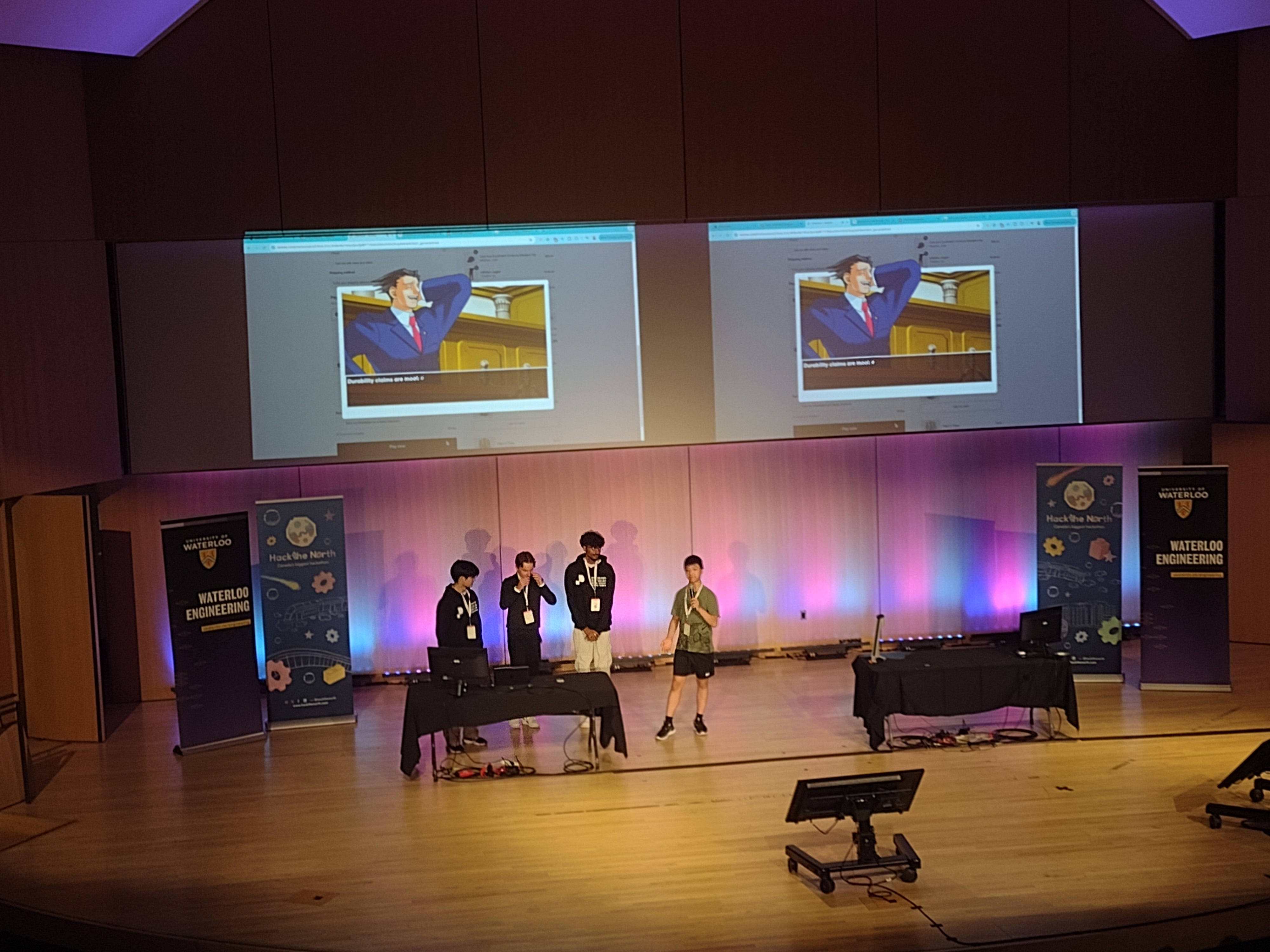
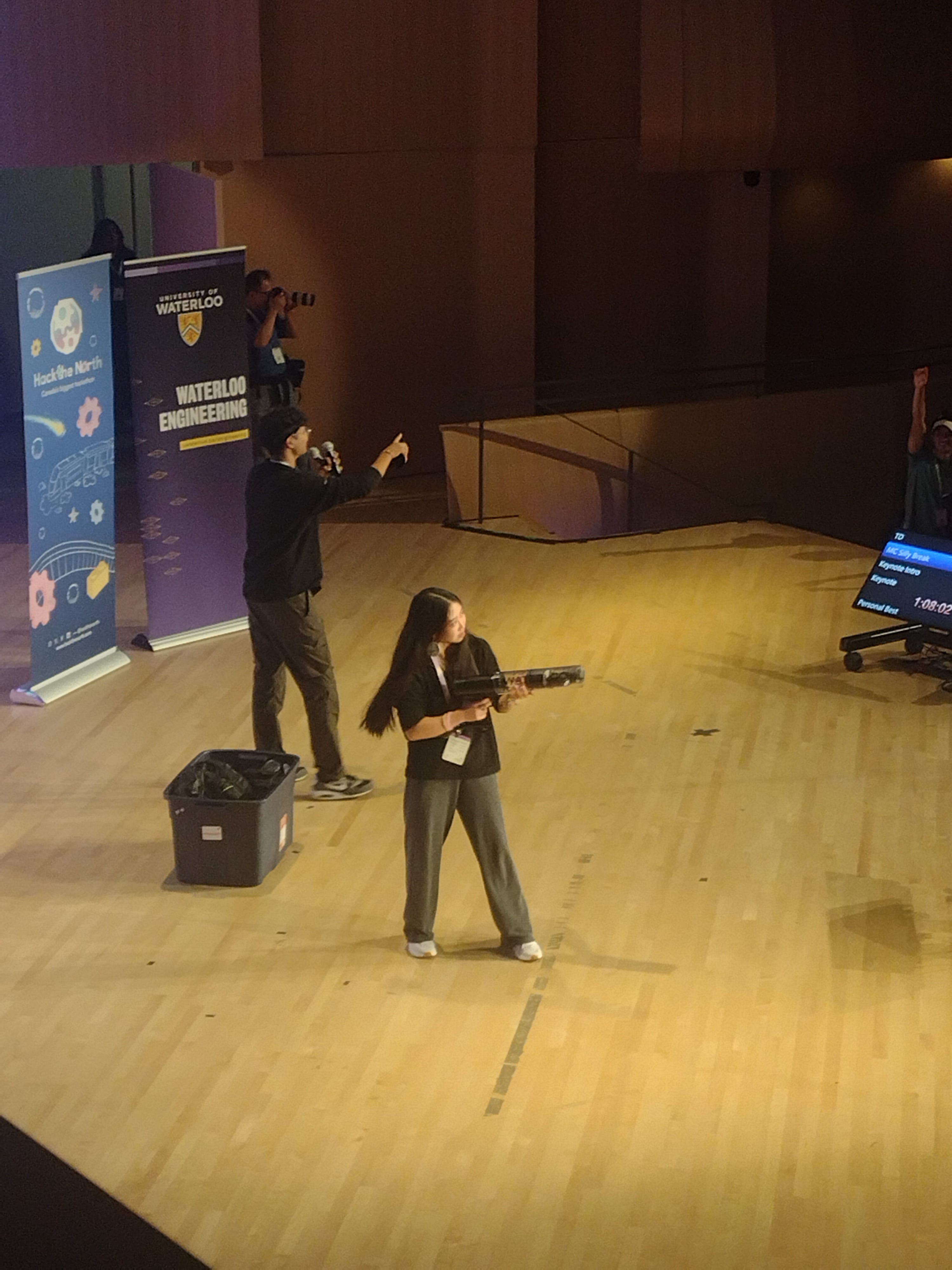
^ they were literally shooting merch with a gun
things i learned from people i met:
quant: theres companies trying to build algorithms to predict stock prices and getting insanely high ROI returns
determinism vs free will: are we really the one choosing our choices? or was everything pre-determined to happen.
having deep conversations with friends is very fulfilling.
anyways, back on the topic of finding things to build:
i started by thinking of b2b problems,
if i could build a product that helps a business make more money, why would they not buy such a product?
due to my lack of experience in the real world, i picked the random industry of logistics. then i chose a “big” problem of freight fraud with a focus on double brokering. got this idea from daivik goel’s newsletter.
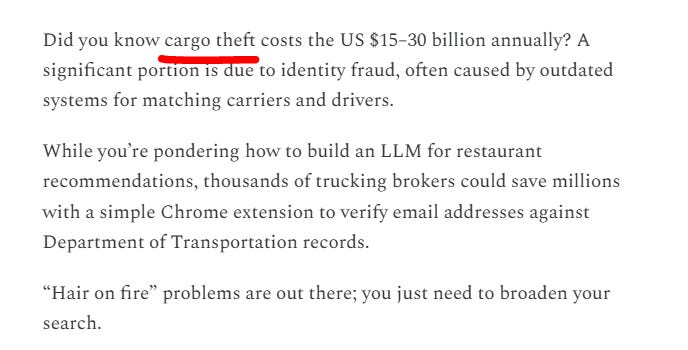
the industry loses millions from fraudulent intermediaries who pass the job to another person.
normal scenario: shipper → freight broker → carrier → ships → we’re all happy
fraud scenario: shipper → freight broker → fake carrier → real carrier → ships
the fake carrier gets paid while the real carrier not, so the real carrier sues the shipper / freight broker and the freight broker pays double the cost.
after cold calling businesses, talking to truckers, asking on reddit (this was so effective),
i realized this problem fades away as the freight brokerage has more experience.
one brokerage told me “they catch people trying to double broker their loads“ and rarely face the problem.
takeaways:
don’t walk to your users with a problem in mind, that’ll bias the conversation insanely fast. if it really is a problem, they’d tell you it is, they’d tell you they try to solve it themselves.
focus really on $$$ problems. products can either, save time, money or make them more money. ideally you’d be focused on what exactly can make them the most money. so thinking from this order is very helpful:
how they can make money?
how can they save money?
how can they save time?
one problem someone told me was “making more money.“ but i thought that’d be pretty difficult to solve so i avoided it. but thats the mistake, the whole point is to solve difficult issues.
dec/jan — hacktheridge + experiment


i’ve always wanted to try putting a voice-enabled chatbot on a piece of hardware,
so for HackTheRidge, an 8hr hackathon at my school; we ended up building an ai on a rasberry pi that tries to diagnose you. to be used for those who don’t normally have access to doctors.
we ended up getting #1 out of ~150 people.
the judges said it was because of the high impact and complexity of the product.
takeaways:
the thing kept crashing ):
be very weary of efficiency and resource constraints when working with hardware
have time for someone to prepare the presentation
completely forgot about this aspect, as we ended up having a presentation that felt like spaghetti code
what i’m currently trying
my mentor asked me the question on what i’d do once i have freedom. he then told me that i didn’t need to be financially free to pursue whatever i wanted.
that caused lots of confusion.
i wanted to solve homelessness/poverty, but also wanted financial freedom to not worry about money
so, as an experiment: i am currently researching to see if there’s ways to make money solving this issue. unsure what will happen but i’ll update you next month
peace